

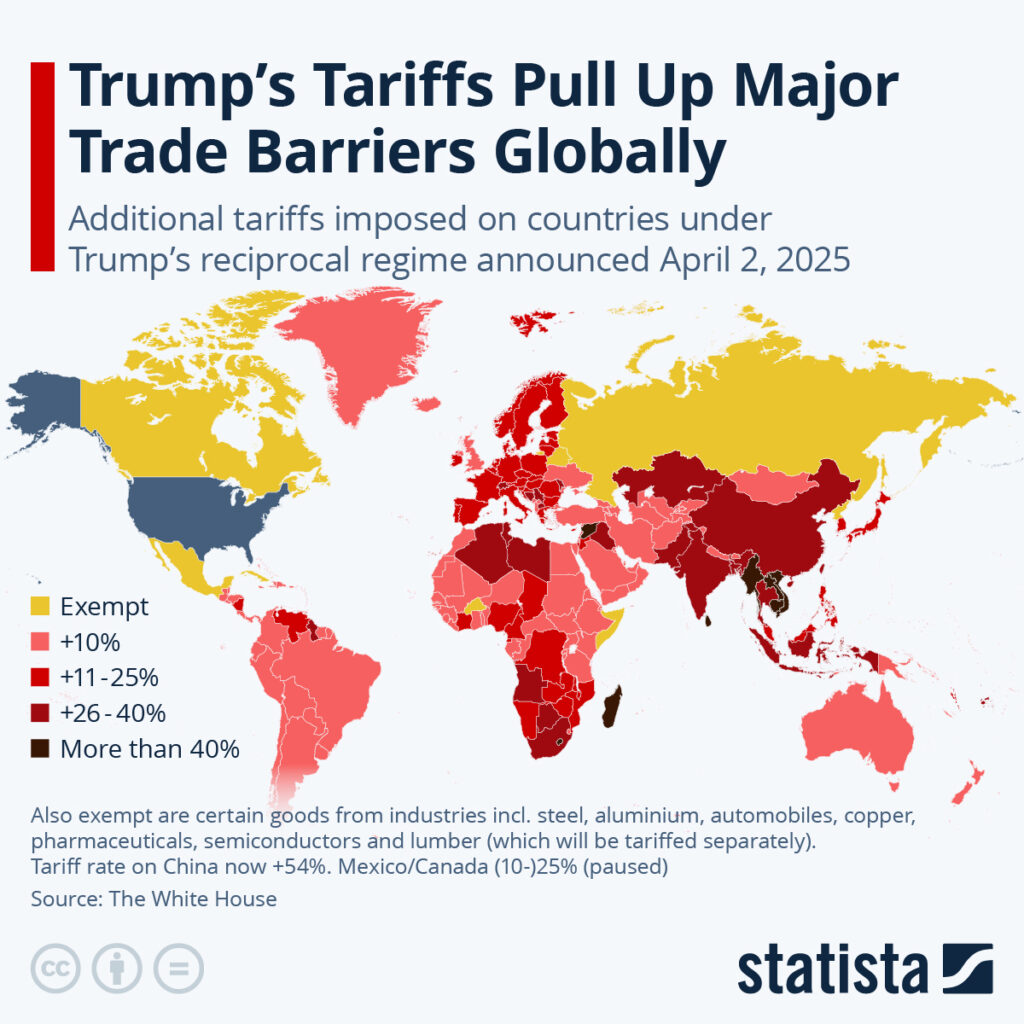
As the global trade landscape evolves, the dynamic between Europe and China is becoming more crucial than ever. With the impact of US tariffs still lingering, European businesses are facing both challenges and opportunities in sourcing products from China. Unlike the US, Europe’s relationship with China remains a crucial trade link, and for European businesses, it’s more important than ever to build strong, sustainable relationships with Chinese suppliers. In 2025, forging these relationships could help mitigate some of the risks associated with tariffs while creating long-term partnerships that benefit both sides.
The Power of Building Relationships with Chinese Suppliers
One of the key ways European businesses can overcome trade challenges is by focusing on building strong, long-term relationships with their Chinese suppliers. In China, there is a growing emphasis on mutual trust, respect, and collaboration in business. Suppliers are increasingly looking for partners, not just customers, and are eager to establish lasting relationships with European companies that offer consistent orders, clear communication, and fair negotiation.
This shift towards relationship-driven business models in China presents a unique opportunity for European businesses. By establishing trust and working closely with Chinese suppliers, companies can gain better terms, reliable deliveries, and reduced risk of supply chain disruptions.
China’s evolving economic landscape means suppliers are more open to collaboration and are looking to European businesses to foster these relationships for mutual benefit. Not only does this offer Europeans better access to quality products, but it also supports China’s shift towards a more open, global trading approach in 2025.

Why Building Relationships Is Key for European Businesses (150-200 words)
For European businesses, it’s not just about negotiating lower prices; it’s about securing stability and quality in the supply chain. As we enter 2025, maintaining close ties with Chinese suppliers means better control over product quality, production schedules, and shipping logistics.
One major advantage for European companies is that building relationships with Chinese suppliers allows for more flexibility in response to market demands. When suppliers understand their partners’ needs, they can offer faster turnaround times, more customization options, and more proactive problem-solving.
Additionally, in the wake of global disruptions—whether due to geopolitical tensions, pandemics, or shipping crises—having a reliable partner who knows your needs and priorities can make all the difference.

How European Businesses Can Strengthen Ties with Chinese Suppliers (150-200 words)
There are several steps European businesses can take to build stronger relationships with their Chinese suppliers:
-
Regular Communication: Stay in touch with suppliers through multiple channels, including video calls, emails, and visits. Communication should be transparent and consistent to avoid misunderstandings.
-
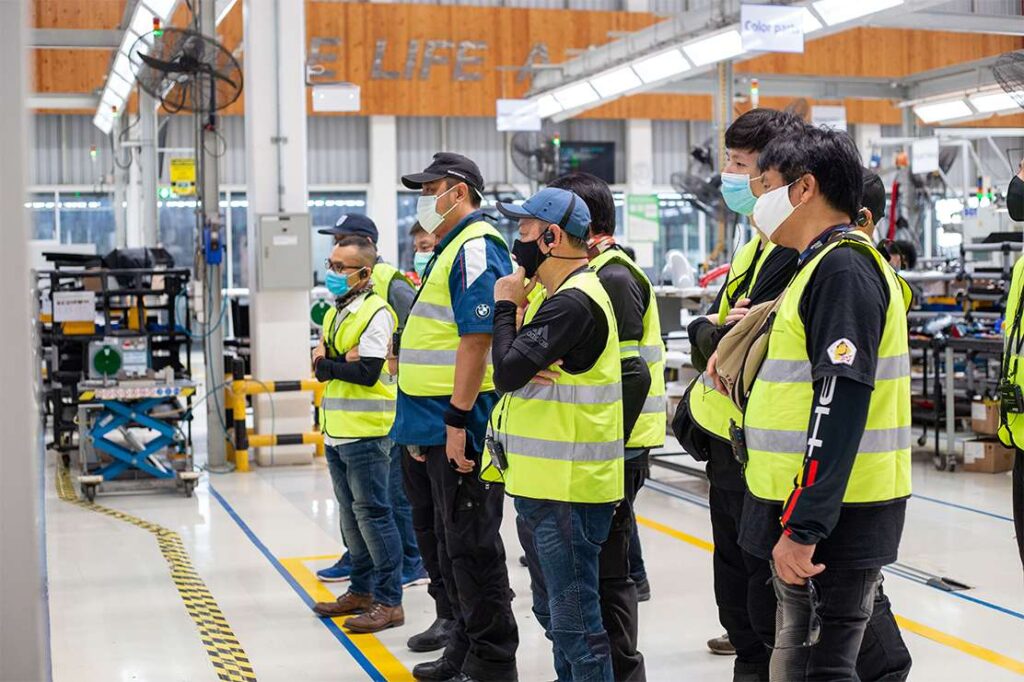
On-site Visits: Whenever possible, visit Chinese factories and suppliers in person to strengthen the partnership and understand their operations.
-
Cultural Awareness: Understanding Chinese business culture, such as the importance of “Guanxi” (relationships), can be a game-changer in negotiating and maintaining partnerships.
-
Long-term Contracts: Instead of one-off orders, offer long-term contracts that give suppliers the security they need to prioritize your business.
-
Flexibility: Adapt to changes and challenges in the market, showing that you are flexible and collaborative in working with your suppliers.
As we move through 2025, the relationship between Europe and China will play a pivotal role in global trade. For European businesses, now is the time to focus on building strong, reliable partnerships with Chinese suppliers, navigating challenges like tariffs and market shifts together. By fostering trust and mutual respect, European businesses can unlock the full potential of sourcing from China, positioning themselves for growth in a rapidly changing global marketplace.

